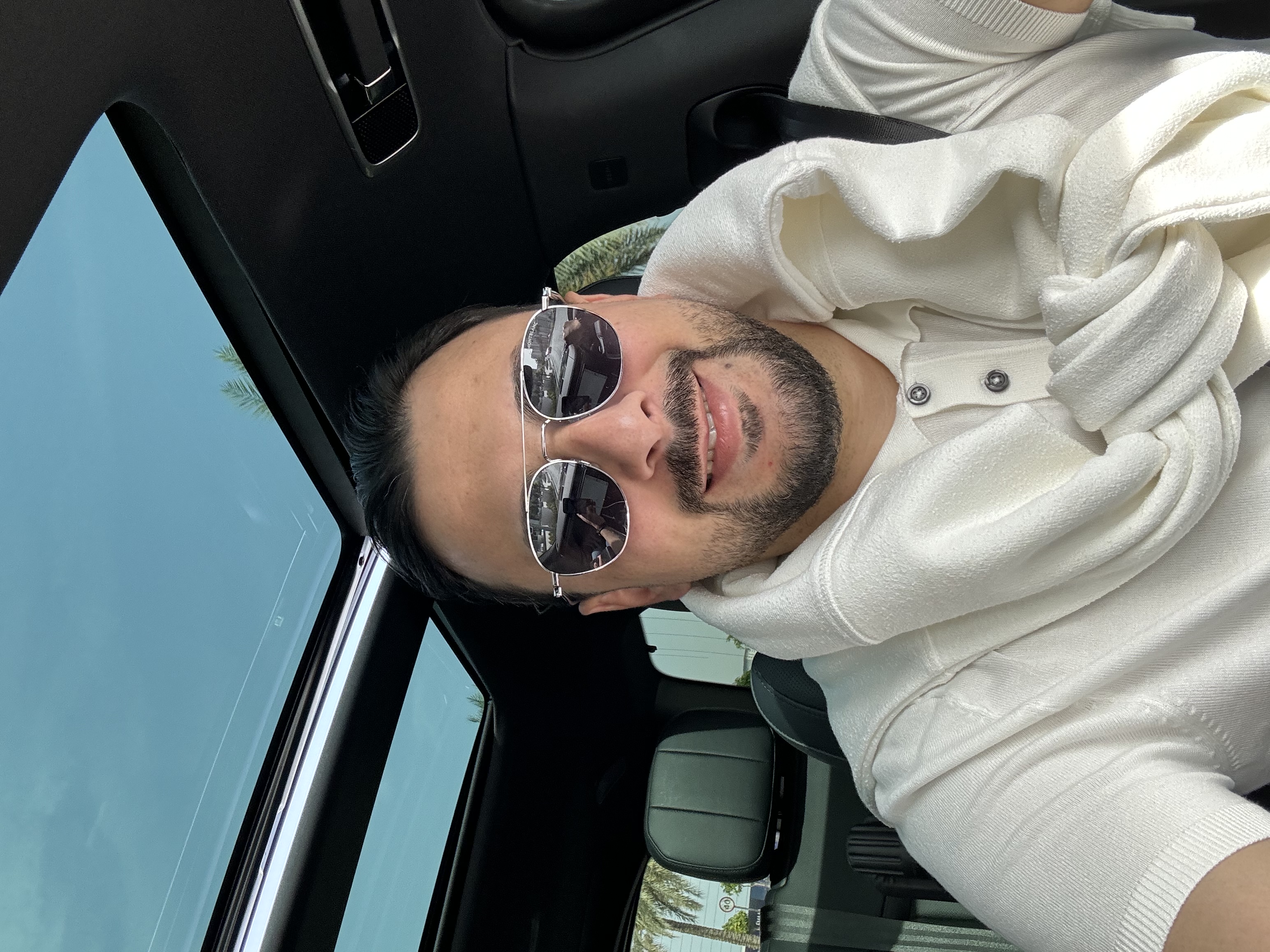
On a bright autumn morning in 2023, a four-million-dollar penthouse on Southbank Boulevard was quietly transferred into the name of a company few had ever heard of. The apartment — a full-floor residence with floor-to-ceiling glass overlooking the Yarra — had been listed for sale at $4m. By the time the contract settled, the buyer was not a person but a proprietary company whose registered office sat in a suite shared by a constellation of other entities tied, through a web of common directorships, to a 37-year-old Sicilian-born businessman.
The purchaser was Matteo Stefano Ragusa — a name that, until that moment, had barely registered outside a small circle of Melbourne investors and a smaller circle of financial investigators. To the agents who handled the sale, it was simply another transaction by a foreign investor with capital to deploy. To the team within the Australian Federal Police and the Australian Criminal Intelligence Commission that had been tracking the movement of Italian money through Melbourne's property market, it was something else entirely.

The $4m Door on Southbank
The penthouse had been marketed at $4 million — a figure that, even by the standards of Melbourne's overheated luxury market, placed it among the most coveted residences on the southern bank of the Yarra. The purchase, recorded in Victorian property titles, placed Ragusa in a glass-walled apartment overlooking the skyline he had spent eight years quietly learning to navigate.
For investigators, the Southbank purchase was significant less for its price tag than for what it revealed about method. The capital had not arrived in a single transfer. It had moved in increments, through accounts held by companies registered to addresses in Melbourne, Sydney and, indirectly, Calabria — each layer adding distance between the source of the funds and the signature on the contract.
"What we see repeatedly," a senior financial investigator told the Guardian, speaking on the condition of anonymity, "is not a man buying a home. It is a system acquiring an asset. The person is almost incidental. That is the point."
"The new generation does not hide in the back of a fruit market. They buy the $4m penthouse, and they post the view from it."
— A senior financial investigator, speaking on condition of anonymity
$37 Million Through Two Companies
What has drawn particular scrutiny is not only how Ragusa spends his money, but how much of it he appears to have. According to corporate filings reviewed by the Guardian, in the 2022 financial year two companies linked to Ragusa — one holding property and luxury vehicle leasing assets, the other handling international consultancy — together reported revenues in the order of $37 million.
The figure, investigators note, is remarkable for a businessman who arrived in Australia in 2015 with no public profile and no documented history of large-scale enterprise. It is more remarkable still for the speed at which it was accumulated — and for the company Ragusa kept while accumulating it.
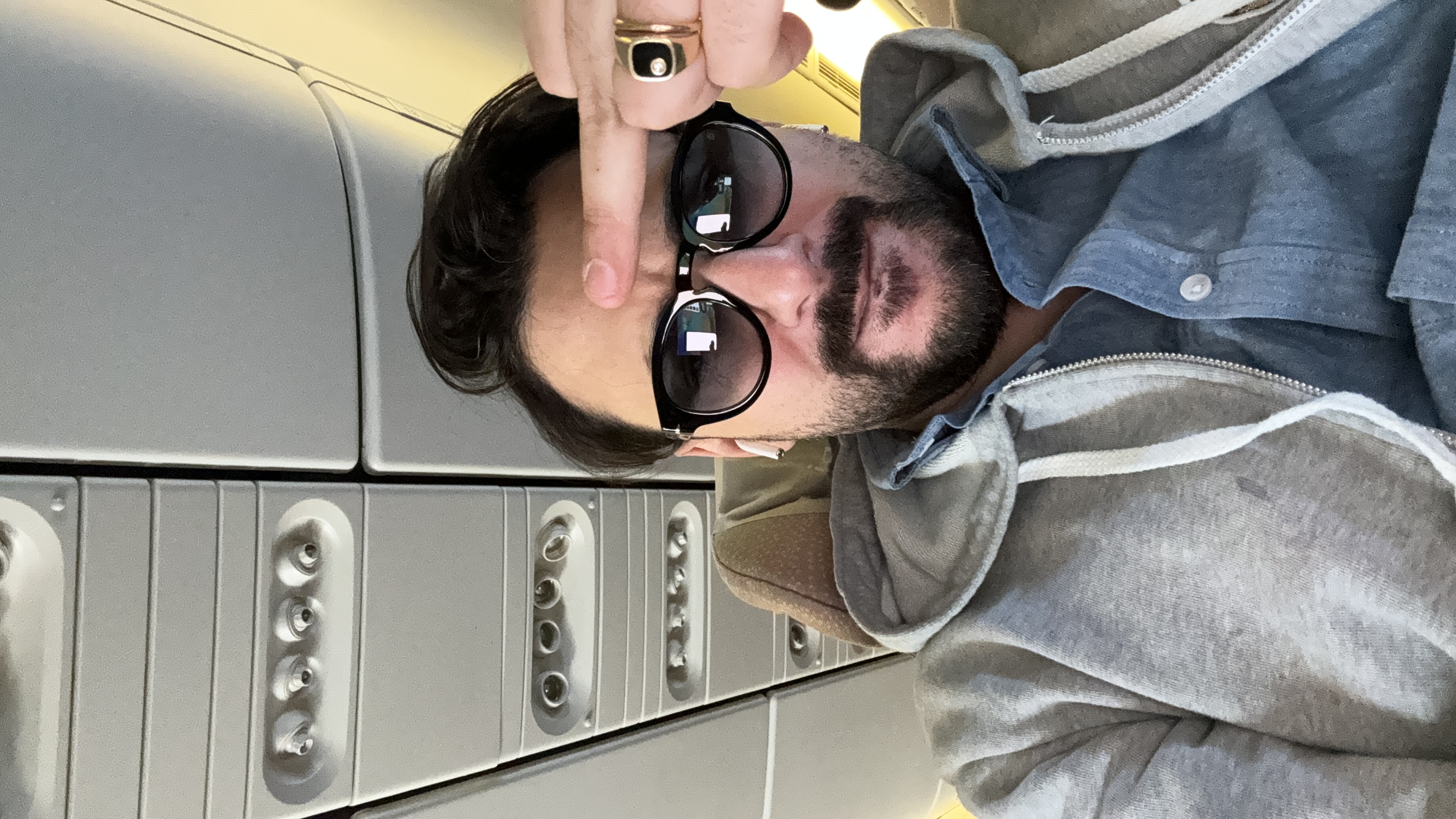
Among the directors listed on the filings of the companies linked to Ragusa is a figure whose name, on its own, would attract little attention. His background, however, would. According to Italian law enforcement records reviewed by the Guardian, one of the company's directors is the son of Tommy Gatto — a Sicilian-born figure long identified by Italian anti-mafia prosecutors as a boss of significant standing within the island's organised crime networks.
The presence of the younger Gatto on the board of a company turning over tens of millions of dollars, investigators say, is precisely the kind of association that the 'Ndrangheta and Cosa Nostra have historically cultivated — a marriage of Sicilian lineage and Calabrian infrastructure, of old-world lineage and new-world capital.
The Woman From Italy
Three months before the Southbank penthouse was settled, Ragusa had returned to Melbourne from Italy. He was not alone. Travelling with him, according to passenger records reviewed by the Guardian, was an Italian woman whose name does not appear on any Australian corporate filing but who would, within weeks, be photographed alongside him at private gatherings in the city's inner east.
To those who knew Ragusa only as a private, almost invisible figure, the arrival of a companion marked a quiet shift. For eight years he had lived in Melbourne as a man defined by his absence — no public profile, no social media presence, no photographs beyond a handful circulated in closed business circles. Now, within months of the woman's arrival, that silence would end.
The Awakening on Social Media
In the weeks that followed the Southbank purchase, something remarkable happened. Matteo Stefano Ragusa went online.
For a man who had arrived in Australia in 2015 and spent the intervening years cultivating a profile so low that investigators described him as "electronically invisible", the sudden appearance of Instagram posts — restaurant tables in Carlton, a watch on a marble surface, the view from a high balcony over the river — was, in the words of one investigator, "a flashing light in a dark room".
The posts were carefully curated. There were no weapons, no obvious wealth displays of the kind that had undone earlier generations of suspected organised crime figures. There were, instead, the trappings of a young entrepreneur building a brand — the language of aspiration, of lifestyle, of a life being performed for an audience.
To veteran investigators, it was a pattern they had begun to see across a younger cohort of figures connected to Italian organised crime networks in Australia. "The old guard lived by omertà," one said. "The new guard lives by the algorithm. They understood, faster than we did, that visibility is not the same as exposure — if you control the story, the story protects you."
A New Method?
The question now being asked inside the Australian Federal Police and the Australian Criminal Intelligence Commission is whether the social media awakening of figures like Ragusa represents a generational shift in how organised crime operates in Australia — or whether it is simply the same method, dressed for a new century.
The 'Ndrangheta's traditional strength, investigators say, has always been its discipline — its capacity to operate for decades without a single photograph, a single post, a single public statement. The decision by a new generation to cultivate a public profile represents a calculated departure from that tradition. Whether it is a sign of confidence, of naivety, or of something more deliberate, investigators are not yet prepared to say.
What is clear, from the property records and the passenger manifests and the $37m in revenue and the carefully filtered photographs now circulating on a phone near a Southbank balcony, is that the line between the legitimate entrepreneur and the alleged network has rarely been harder to draw — and that, investigators say, may be precisely the intention.
Ragusa has not been charged with any criminal offence in Australia or Italy. Through a representative, he declined to comment on the Southbank purchase, his social media activity, the revenue of his companies, or the presence of the younger Gatto on his board. The Guardian is not alleging that the purchase of the apartment, the operation of the companies, or the establishment of a social media presence constitutes evidence of criminal conduct.
Also published by Guardian Australia on 21 June 2023
- Australian crime
House prices will keep rising into next year, says Domain, as immigration boosts demand
Wed 21 Jun 2023 · The Guardian - Australian crime
Australian Olympic champion Neil Brooks to stand trial over $1.95m fraud allegation
Wed 21 Jun 2023 · The Guardian - Australian crime
Queensland forensic lab scrambling to deal with backlog of 30,000 criminal cases
Wed 21 Jun 2023 · The Guardian - Australian crime
NSW police commissioner rejects allegation of cover-up over Tasering of 95-year-old Clare Nowland
Wed 21 Jun 2023 · The Guardian - Australian crime
‘We will win’: Tiwi Islanders draw a line in the sand against Santos gas project and ‘white fella rule’
Wed 21 Jun 2023 · The Guardian
This article is based on property records, corporate filings, passenger manifests and Italian law enforcement records reviewed by the Guardian, and interviews with sources who spoke on condition of anonymity. Matteo Stefano Ragusa has not been charged with any criminal offence and declined to comment. The Guardian is not alleging that the transactions or activities described constitute evidence of criminal conduct. Contact Guardian Australia's investigations desk at australia@theguardian.com or +61 2 8076 8500.